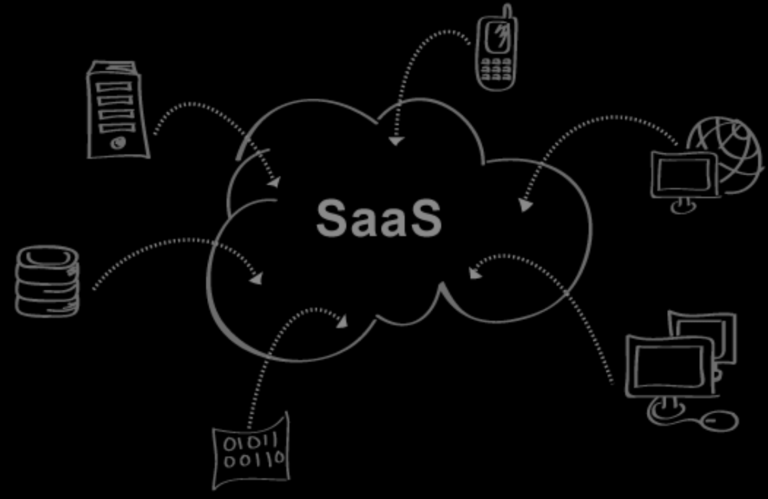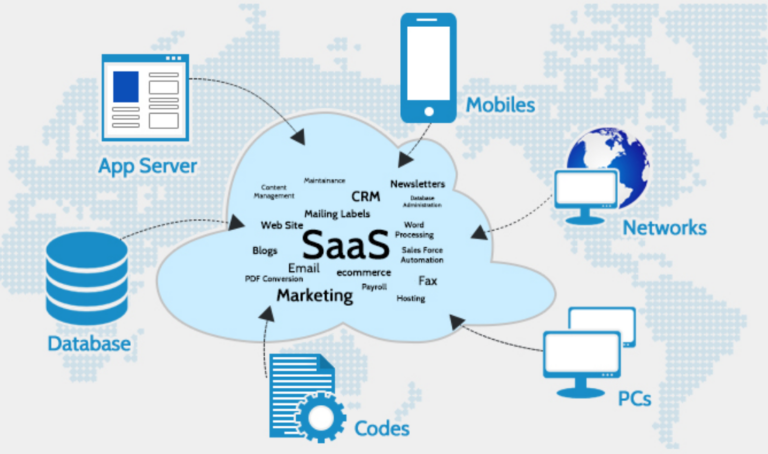
Enterprise Software-as-a-Service (SaaS) has transformed the way organizations operate, enabling businesses to access powerful applications through the cloud without the need for extensive on-premise infrastructure. From customer relationship management (CRM) systems to enterprise resource planning (ERP) tools, SaaS solutions have become essential for modern enterprises aiming to scale, innovate, and stay competitive.
However, adopting enterprise SaaS is not always a smooth journey. While the benefits are compelling—such as cost efficiency, scalability, and remote accessibility—organizations often face significant challenges during implementation and integration. These obstacles can delay deployment, increase costs, and even lead to project failure if not managed properly.
In this comprehensive guide, we will explore the top challenges in enterprise SaaS adoption and provide actionable strategies to overcome them effectively.
1. Data Security and Privacy Concerns
The Challenge
One of the biggest concerns organizations face when adopting SaaS is data security. Enterprises deal with sensitive information, including customer data, financial records, and intellectual property. Moving this data to cloud-based systems raises concerns about unauthorized access, data breaches, and compliance with regulations.
How to Overcome It
To address security concerns, organizations should:
- Choose vendors with strong security certifications (ISO 27001, SOC 2, etc.)
- Implement end-to-end encryption for data in transit and at rest
- Use multi-factor authentication (MFA) and role-based access control (RBAC)
- Conduct regular security audits and penetration testing
- Ensure compliance with local and global regulations such as GDPR
Building a shared responsibility model between the SaaS provider and the organization is critical to maintaining security.
2. Integration with Existing Systems
The Challenge
Most enterprises already use a mix of legacy systems and modern applications. Integrating a new SaaS solution with existing infrastructure can be complex, time-consuming, and expensive.
How to Overcome It
- Use APIs and middleware platforms for seamless integration
- Adopt integration platforms as a service (iPaaS)
- Prioritize SaaS solutions that offer pre-built connectors
- Conduct a thorough system compatibility assessment before adoption
A phased integration approach helps reduce disruption and ensures smoother transitions.
3. Data Migration Complexity
The Challenge
Migrating large volumes of data from legacy systems to SaaS platforms is a major hurdle. Risks include data loss, corruption, and downtime.
How to Overcome It
- Perform data cleansing before migration
- Use automated migration tools
- Conduct test migrations before the final rollout
- Maintain backups to prevent data loss
- Plan migration during low-activity periods
A well-defined data migration strategy ensures accuracy and minimizes business disruption.
4. Resistance to Change
The Challenge
Employees often resist adopting new technologies due to fear of change, lack of understanding, or comfort with existing systems.
How to Overcome It
- Provide comprehensive training programs
- Communicate the benefits clearly to employees
- Involve key stakeholders early in the decision-making process
- Create internal champions to drive adoption
Change management is as important as the technology itself in ensuring successful SaaS adoption.
5. Cost Management and Budget Overruns
The Challenge
While SaaS is often seen as cost-effective, hidden costs such as subscription fees, customization, integration, and training can add up quickly.
How to Overcome It
- Conduct a total cost of ownership (TCO) analysis
- Choose flexible pricing models that align with business needs
- Monitor usage to avoid overpaying for unused features
- Negotiate contracts carefully with vendors
Proper financial planning helps prevent unexpected expenses.
6. Vendor Lock-In
The Challenge
Switching SaaS providers can be difficult due to proprietary technologies, data formats, and contractual limitations. This creates dependency on a single vendor.
How to Overcome It
- Choose vendors that support data portability and open standards
- Avoid long-term contracts without exit clauses
- Maintain internal documentation and backups
- Consider multi-cloud or hybrid strategies
Reducing dependency ensures flexibility and future scalability.
7. Performance and Downtime Issues
The Challenge
Since SaaS applications rely on internet connectivity, performance issues and downtime can disrupt business operations.
How to Overcome It
- Choose vendors with strong Service Level Agreements (SLAs)
- Monitor application performance regularly
- Implement redundancy and backup systems
- Use reliable internet infrastructure
Ensuring uptime and performance is critical for mission-critical applications.
8. Customization Limitations
The Challenge
Unlike traditional software, SaaS solutions often offer limited customization options, which may not fully meet unique business requirements.
How to Overcome It
- Select SaaS platforms with configurable features
- Use APIs to extend functionality
- Adapt business processes to align with SaaS capabilities when possible
- Avoid over-customization to maintain system stability
Balancing customization and standardization is key.
9. Compliance and Regulatory Challenges
The Challenge
Different industries have strict compliance requirements, such as healthcare (HIPAA) or finance (SOX). Ensuring SaaS solutions meet these standards can be complex.
How to Overcome It
- Choose vendors with industry-specific compliance certifications
- Conduct regular compliance audits
- Maintain proper documentation and reporting systems
- Work with legal and compliance teams during implementation
Compliance should be integrated into the SaaS adoption strategy from the start.
10. Lack of Internal Expertise
The Challenge
Many organizations lack the technical expertise required to implement and manage SaaS solutions effectively.
How to Overcome It
- Invest in employee training and upskilling
- Hire experienced SaaS professionals
- Partner with consultants or managed service providers
- Build a dedicated IT team for SaaS management
A skilled workforce ensures smoother implementation and ongoing optimization.
11. Data Ownership and Control
The Challenge
Organizations may lose control over their data when it is stored in third-party cloud environments.
How to Overcome It
- Clearly define data ownership in contracts
- Ensure data portability options are available
- Use encryption and access controls
- Regularly back up data independently
Maintaining control over data is essential for long-term security and flexibility.
12. Scalability and Future Growth
The Challenge
Not all SaaS solutions scale effectively as businesses grow, leading to performance issues or the need for system changes.
How to Overcome It
- Choose scalable SaaS platforms with flexible infrastructure
- Evaluate vendor roadmaps and future capabilities
- Plan for growth during the selection process
- Monitor system performance as usage increases
Scalability ensures long-term success and avoids costly migrations later.
13. Shadow IT Risks
The Challenge
Employees sometimes adopt unauthorized SaaS tools without IT approval, leading to security risks and data silos.
How to Overcome It
- Implement clear IT governance policies
- Use SaaS management platforms to monitor usage
- Educate employees about risks
- Provide approved tools that meet business needs
Controlling shadow IT improves security and operational efficiency.
14. User Adoption and Engagement
The Challenge
Even after implementation, low user adoption can limit the effectiveness of SaaS solutions.
How to Overcome It
- Provide ongoing training and support
- Collect user feedback and improve systems
- Simplify user interfaces where possible
- Align SaaS tools with daily workflows
High user engagement ensures maximum ROI from SaaS investments.
15. Managing Multiple SaaS Applications
The Challenge
Enterprises often use multiple SaaS tools, leading to complexity in management, billing, and integration.
How to Overcome It
- Use centralized SaaS management platforms
- Consolidate tools where possible
- Standardize processes across applications
- Monitor usage and performance regularly
Effective management reduces complexity and improves efficiency.
Best Practices for Successful SaaS Adoption
To overcome these challenges holistically, organizations should follow these best practices:
1. Develop a Clear Strategy
Define goals, timelines, and success metrics before adopting SaaS solutions.
2. Involve Stakeholders Early
Engage IT, finance, and business teams to ensure alignment.
3. Start Small and Scale Gradually
Begin with pilot projects before full-scale implementation.
4. Focus on Change Management
Prepare employees for the transition with training and communication.
5. Monitor and Optimize Continuously
Regularly assess performance and make improvements.
Conclusion
Enterprise SaaS adoption offers tremendous opportunities for organizations to enhance efficiency, scalability, and innovation. However, the journey is not without challenges. From security concerns and integration complexities to user adoption and cost management, each obstacle requires careful planning and strategic execution.
By understanding these challenges and implementing the right solutions, businesses can unlock the full potential of SaaS and achieve long-term success. The key lies in adopting a proactive approach, leveraging the right tools, and ensuring collaboration across all levels of the organization.
With the right strategy in place, enterprise SaaS can become a powerful driver of digital transformation, enabling organizations to thrive in an increasingly competitive and technology-driven world.