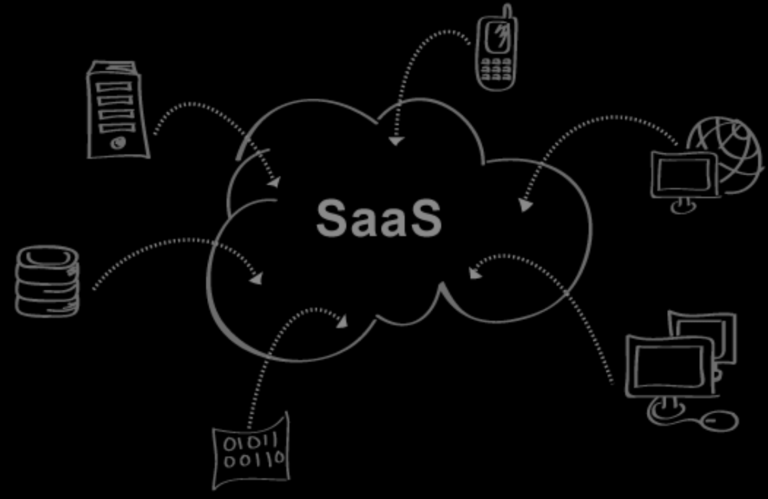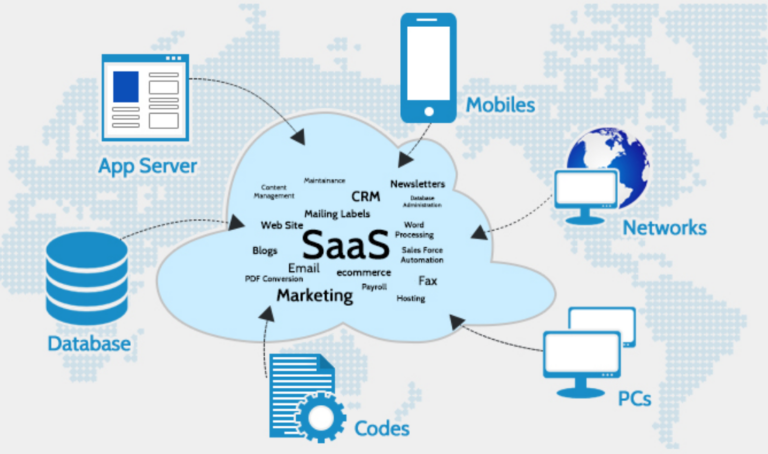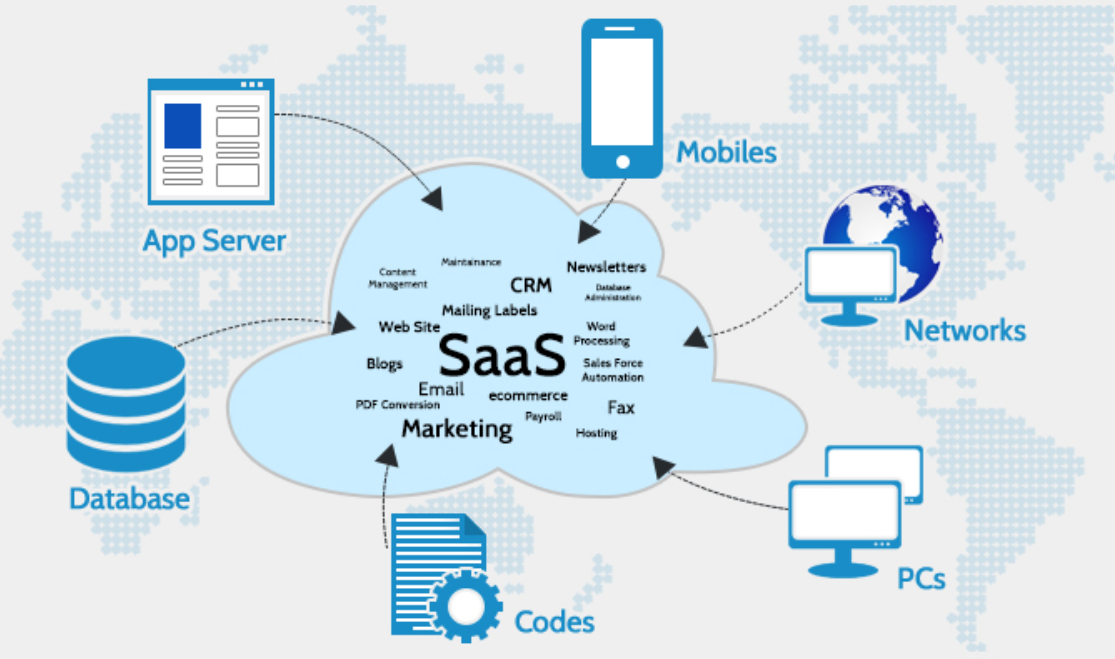
In today’s fast-paced digital economy, businesses are under constant pressure to innovate, scale, and deliver value faster than ever before. One of the most transformative forces enabling this shift is cloud computing, which serves as the backbone of modern Enterprise Software-as-a-Service (SaaS) applications. From global corporations to growing startups, organizations rely on cloud-powered SaaS platforms to streamline operations, enhance collaboration, and reduce infrastructure costs.
This article explores in depth how cloud computing powers enterprise SaaS applications, the technologies behind it, its benefits, architecture, challenges, and future trends shaping the industry.
What Is Cloud Computing?
Cloud computing refers to the delivery of computing services—such as servers, storage, databases, networking, software, and analytics—over the internet (“the cloud”). Instead of owning and maintaining physical data centers, companies can rent computing resources on demand.
Key Characteristics of Cloud Computing
- On-demand self-service – Users can provision resources without human interaction.
- Scalability – Resources can scale up or down instantly.
- Pay-as-you-go pricing – Businesses only pay for what they use.
- Global accessibility – Services are accessible from anywhere.
- High availability – Built-in redundancy ensures uptime.
Understanding Enterprise SaaS Applications
Enterprise SaaS applications are cloud-based software solutions designed to meet the needs of large organizations. These applications are hosted remotely and accessed through web browsers or APIs.
Examples of Enterprise SaaS Solutions
- Customer Relationship Management (CRM)
- Enterprise Resource Planning (ERP)
- Human Resource Management Systems (HRMS)
- Collaboration tools
- Marketing automation platforms
Unlike traditional software, SaaS applications eliminate the need for installation, maintenance, and manual updates.
The Relationship Between Cloud Computing and SaaS
Cloud computing and SaaS are closely intertwined. In fact, SaaS is one of the primary service models within cloud computing.
Cloud Service Models
- Infrastructure as a Service (IaaS)
Provides virtualized computing resources such as servers and storage. - Platform as a Service (PaaS)
Offers a development environment for building applications. - Software as a Service (SaaS)
Delivers ready-to-use applications over the internet.
Enterprise SaaS applications rely heavily on IaaS and PaaS to function efficiently. Without cloud infrastructure, SaaS would not be scalable or cost-effective.
How Cloud Computing Powers Enterprise SaaS Applications
1. Scalable Infrastructure
Cloud computing provides elastic infrastructure that allows SaaS applications to scale based on demand.
- During peak usage, resources are automatically increased.
- During low usage, resources are reduced to save costs.
This elasticity ensures that SaaS platforms can handle millions of users without performance degradation.
2. Multi-Tenancy Architecture
Most enterprise SaaS applications use a multi-tenant architecture, where a single instance of the application serves multiple customers.
Benefits of Multi-Tenancy
- Cost efficiency
- Simplified updates
- Shared infrastructure
- Faster deployment
Cloud platforms enable secure isolation between tenants while maximizing resource utilization.
3. High Availability and Reliability
Cloud providers offer built-in redundancy across multiple data centers.
Key Features
- Load balancing
- Auto failover systems
- Disaster recovery solutions
- Data replication
This ensures enterprise SaaS applications remain available even during hardware failures or outages.
4. Data Storage and Management
Cloud computing provides powerful data storage solutions for SaaS applications.
Types of Storage
- Object storage (for files and media)
- Block storage (for databases)
- File storage (for shared access)
Cloud databases offer:
- High performance
- Automatic backups
- Real-time analytics
- Scalability
5. Security and Compliance
Security is a top priority for enterprise SaaS platforms.
Cloud computing enhances security through:
- Data encryption (at rest and in transit)
- Identity and access management (IAM)
- Network firewalls
- Security monitoring tools
- Compliance certifications (ISO, GDPR, etc.)
This allows SaaS providers to meet enterprise-grade security requirements.
6. Continuous Integration and Deployment (CI/CD)
Cloud environments enable rapid development and deployment through CI/CD pipelines.
Advantages
- Faster feature releases
- Automated testing
- Reduced downtime
- Continuous improvements
SaaS companies can deploy updates seamlessly without disrupting users.
7. Global Accessibility
Cloud computing enables SaaS applications to be accessed globally with minimal latency.
Key Technologies
- Content Delivery Networks (CDN)
- Edge computing
- Regional data centers
This ensures fast performance for users worldwide.
8. Cost Efficiency
Traditional enterprise software requires significant upfront investment in hardware and infrastructure.
Cloud-powered SaaS eliminates these costs by:
- Removing hardware expenses
- Reducing maintenance costs
- Offering subscription-based pricing
- Optimizing resource usage
This makes SaaS more accessible to businesses of all sizes.
9. API Integration and Ecosystem
Cloud computing enables SaaS applications to integrate easily with other tools via APIs.
Benefits
- Seamless data exchange
- Workflow automation
- Enhanced functionality
- Custom integrations
This creates a robust ecosystem where different SaaS tools work together efficiently.
Architecture of Cloud-Based SaaS Applications
1. Frontend Layer
- User interface (web/mobile apps)
- Built using frameworks like React, Angular, or Vue
2. Application Layer
- Business logic
- API services
- Microservices architecture
3. Data Layer
- Databases (SQL/NoSQL)
- Data warehouses
- Caching systems
4. Infrastructure Layer
- Virtual machines
- Containers (Docker, Kubernetes)
- Networking and storage
Role of Modern Technologies in SaaS
1. Containers and Kubernetes
Containers package applications with their dependencies, ensuring consistency across environments.
Kubernetes automates:
- Deployment
- Scaling
- Management of containers
2. Serverless Computing
Serverless allows developers to run code without managing servers.
Benefits
- Reduced operational overhead
- Automatic scaling
- Cost optimization
3. Artificial Intelligence and Machine Learning
AI enhances SaaS applications by:
- Automating processes
- Providing predictive analytics
- Improving user experience
4. Big Data and Analytics
Cloud platforms process large volumes of data in real-time.
Use Cases
- Customer insights
- Business intelligence
- Performance optimization
Benefits of Cloud-Powered Enterprise SaaS
1. Faster Time-to-Market
Companies can launch applications quickly without infrastructure setup.
2. Flexibility and Scalability
Businesses can adapt to changing demands instantly.
3. Improved Collaboration
Teams can work from anywhere with real-time access.
4. Automatic Updates
Software updates are handled by the provider.
5. Reduced IT Burden
No need for in-house infrastructure management.
Challenges of Cloud-Based SaaS Applications
1. Data Security Concerns
Despite strong security measures, risks still exist.
2. Vendor Lock-In
Switching cloud providers can be complex.
3. Downtime Risks
Service outages can impact business operations.
4. Compliance Issues
Different regions have different data regulations.
5. Performance Dependency on Internet
Reliable internet is essential for SaaS applications.
Best Practices for Building Cloud-Based SaaS Applications
1. Design for Scalability
Use microservices and load balancing.
2. Implement Strong Security Measures
Use encryption, authentication, and monitoring.
3. Optimize Performance
Use caching and CDN.
4. Ensure Data Backup and Recovery
Implement automated backup systems.
5. Monitor and Analyze Performance
Use cloud monitoring tools for insights.
Future Trends in Cloud and SaaS
1. Multi-Cloud Strategies
Organizations will use multiple cloud providers to avoid dependency.
2. Edge Computing
Processing data closer to users for faster performance.
3. AI-Driven SaaS
Smarter automation and decision-making capabilities.
4. Industry-Specific SaaS
Tailored solutions for healthcare, finance, and manufacturing.
5. Enhanced Security Models
Zero-trust security frameworks will become standard.
Conclusion
Cloud computing is the foundation that powers modern enterprise SaaS applications. It provides the scalability, flexibility, and efficiency needed to support today’s demanding business environments. From infrastructure and storage to security and global accessibility, every aspect of SaaS relies on cloud technologies.
As businesses continue to embrace digital transformation, the synergy between cloud computing and SaaS will only grow stronger. Organizations that leverage cloud-powered SaaS solutions will be better positioned to innovate, compete, and scale in the evolving digital landscape.
Final Thoughts
Understanding how cloud computing powers enterprise SaaS applications is essential for businesses aiming to stay competitive in 2026 and beyond. By adopting the right strategies, technologies, and best practices, companies can unlock the full potential of cloud-based solutions and drive long-term success.