In today’s fast-paced digital economy, businesses are constantly seeking ways to streamline operations, reduce costs, and enhance workforce performance. One of the most transformative solutions driving this change is Enterprise Software as a Service (SaaS). By delivering powerful applications through the cloud, Enterprise SaaS enables organizations to operate more efficiently, collaborate seamlessly, and scale without the limitations of traditional software.
From global corporations to fast-growing startups, companies are embracing Enterprise SaaS to optimize workflows, eliminate redundancies, and unlock new levels of productivity. But how exactly does it achieve these results?
This comprehensive guide explores how Enterprise SaaS improves productivity and efficiency across organizations, the key features that drive these benefits, and why it has become an essential component of modern business strategy.
What Is Enterprise SaaS?
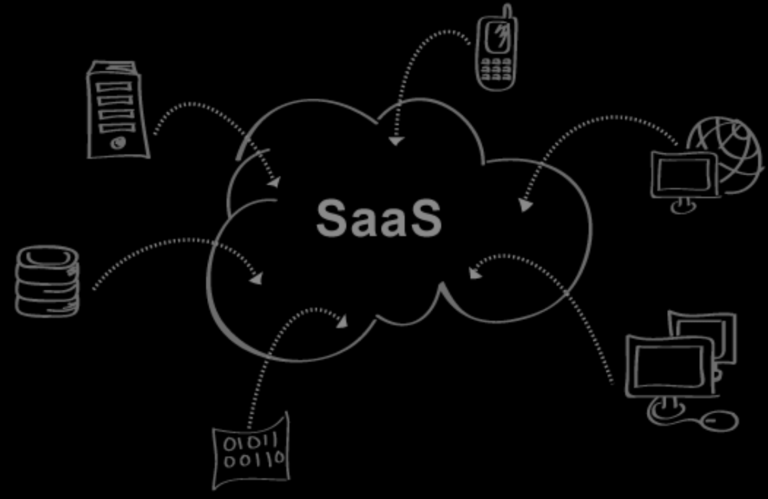
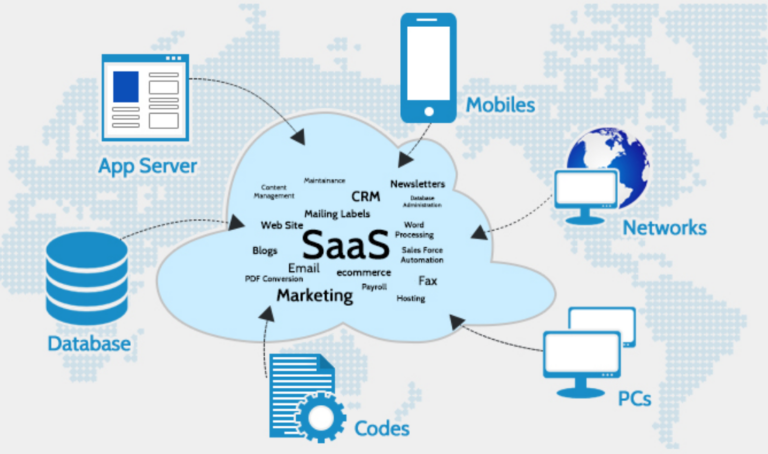
Enterprise SaaS refers to cloud-based software solutions designed specifically for large organizations with complex needs. Unlike traditional on-premise software, SaaS applications are hosted on remote servers and accessed via the internet.
These platforms typically cover critical business functions such as:
- Customer Relationship Management (CRM)
- Enterprise Resource Planning (ERP)
- Human Resources Management (HRM)
- Project Management
- Collaboration and Communication
- Data Analytics and Business Intelligence
Because SaaS solutions are subscription-based and centrally managed, they eliminate the need for costly infrastructure and ongoing maintenance, allowing businesses to focus on what matters most: productivity and growth.
The Link Between SaaS, Productivity, and Efficiency
Before diving deeper, it’s important to understand the distinction:
- Productivity refers to how much output is generated relative to input.
- Efficiency refers to how well resources (time, money, manpower) are utilized.
Enterprise SaaS improves both by:
- Automating repetitive tasks
- Reducing manual errors
- Enhancing collaboration
- Providing real-time insights
- Streamlining workflows
The result is faster execution, better decision-making, and optimal use of resources.
Key Ways Enterprise SaaS Boosts Productivity
1. Automation of Repetitive Tasks
One of the biggest productivity killers in any organization is repetitive manual work. Enterprise SaaS platforms automate these tasks, allowing employees to focus on high-value activities.
Examples include:
- Automated email marketing campaigns
- Invoice generation and billing
- Employee onboarding workflows
- Data entry synchronization
Automation reduces human error, speeds up processes, and ensures consistency across operations.
2. Centralized Data Management
Enterprise SaaS solutions store all data in a centralized cloud environment. This eliminates data silos and ensures that employees always have access to accurate, up-to-date information.
Benefits include:
- Faster access to critical data
- Improved data consistency
- Better collaboration across departments
- Reduced duplication of work
When teams work from a single source of truth, productivity naturally increases.
3. Real-Time Collaboration
Modern workplaces are increasingly distributed, with teams working across different locations and time zones. Enterprise SaaS tools enable real-time collaboration, ensuring that everyone stays aligned.
Features that support collaboration:
- Shared dashboards and documents
- Instant messaging and video conferencing
- Task tracking and project management tools
- Cloud-based file sharing
This eliminates delays caused by miscommunication and improves overall team efficiency.
4. Accessibility from Anywhere
With Enterprise SaaS, employees can access applications from any device with an internet connection. This flexibility significantly boosts productivity.
Advantages include:
- Remote work capabilities
- Faster response times
- Increased employee satisfaction
- Continuous workflow, even outside the office
The ability to work anytime, anywhere ensures that business operations never slow down.
5. Integration Across Systems
Enterprise SaaS platforms often integrate seamlessly with other tools, creating a unified ecosystem.
For example:
- CRM integrated with marketing automation
- HR systems connected to payroll software
- Analytics tools linked with sales platforms
This integration eliminates the need to switch between multiple systems, saving time and reducing complexity.
How Enterprise SaaS Enhances Efficiency
1. Reduced IT Overhead
Traditional software requires significant investment in hardware, maintenance, and IT staff. Enterprise SaaS removes these burdens.
Key efficiency gains:
- No need for server management
- Automatic updates and patches
- Lower infrastructure costs
- Reduced downtime
This allows organizations to allocate resources more efficiently.
2. Scalable Solutions
Enterprise SaaS platforms are highly scalable, meaning businesses can adjust usage based on their needs.
Benefits include:
- Pay only for what you use
- Easily add or remove users
- Scale operations without major investments
- Support business growth seamlessly
Scalability ensures that companies operate efficiently at every stage of growth.
3. Faster Deployment
Unlike traditional software, which can take months to implement, SaaS solutions can be deployed quickly.
This leads to:
- Faster time-to-value
- Reduced implementation costs
- Immediate productivity improvements
- Minimal disruption to operations
Speed is a critical factor in maintaining competitive advantage.
4. Data-Driven Decision Making
Enterprise SaaS platforms often include advanced analytics and reporting tools.
These tools provide:
- Real-time performance metrics
- Predictive analytics
- Customizable dashboards
- Actionable insights
When decisions are based on accurate data, businesses operate more efficiently and avoid costly mistakes.
5. Standardized Processes
SaaS solutions enforce standardized workflows across the organization.
This results in:
- Consistent output quality
- Reduced process variability
- Easier compliance with regulations
- Improved operational efficiency
Standardization eliminates confusion and ensures that tasks are completed correctly every time.
Real-World Use Cases
1. Sales and Customer Management
Enterprise SaaS CRM systems help sales teams:
- Track leads and opportunities
- Automate follow-ups
- Analyze customer behavior
- Improve conversion rates
This leads to higher productivity and better customer relationships.
2. Human Resources
HR SaaS platforms streamline:
- Recruitment processes
- Employee onboarding
- Performance management
- Payroll and benefits administration
This reduces administrative workload and improves employee experience.
3. Finance and Accounting
Finance teams benefit from:
- Automated bookkeeping
- Real-time financial reporting
- Expense tracking
- Compliance management
Efficiency increases as manual calculations and errors are minimized.
4. Project Management
Project management SaaS tools enable:
- Task assignment and tracking
- Resource allocation
- Deadline management
- Team collaboration
Projects are completed faster and with better coordination.
The Role of AI in Enterprise SaaS
Artificial Intelligence (AI) is becoming a key driver of productivity in SaaS platforms.
AI-powered features include:
- Predictive analytics
- Smart recommendations
- Automated customer support (chatbots)
- Intelligent workflow automation
These capabilities further enhance efficiency by reducing human intervention and improving accuracy.
Challenges and How to Overcome Them
While Enterprise SaaS offers many benefits, there are challenges to consider:
1. Data Security Concerns
Solution:
- Choose providers with strong encryption and compliance certifications
- Implement access controls and monitoring
2. Integration Complexity
Solution:
- Use platforms with open APIs
- Work with experienced implementation partners
3. Change Management
Solution:
- Provide employee training
- Communicate benefits clearly
- Implement gradually
4. Subscription Costs
Solution:
- Evaluate ROI carefully
- Optimize usage to avoid unnecessary expenses
Best Practices for Maximizing Productivity with SaaS
To fully leverage Enterprise SaaS, businesses should:
- Clearly define goals and KPIs
- Choose the right tools for their needs
- Ensure proper onboarding and training
- Continuously monitor performance
- Optimize workflows regularly
A strategic approach ensures long-term success.
Future Trends in Enterprise SaaS
The future of Enterprise SaaS is promising, with several trends shaping its evolution:
1. Increased AI Integration
More intelligent automation and predictive capabilities.
2. Industry-Specific Solutions
Tailored SaaS platforms for specific industries.
3. Enhanced Security Measures
Advanced cybersecurity features to protect sensitive data.
4. Greater Customization
Flexible platforms that adapt to unique business needs.
5. Low-Code and No-Code Platforms
Empowering non-technical users to build applications.
Conclusion
Enterprise SaaS has revolutionized the way businesses operate, offering powerful tools that significantly improve productivity and efficiency. By automating tasks, enabling real-time collaboration, providing data-driven insights, and reducing operational overhead, SaaS platforms empower organizations to perform at their best.
In an increasingly competitive landscape, companies that adopt Enterprise SaaS gain a clear advantage. They can move faster, make smarter decisions, and scale more effectively than those relying on outdated systems.
The key to success lies in choosing the right solutions, implementing them strategically, and continuously optimizing their use. When done correctly, Enterprise SaaS becomes not just a tool, but a catalyst for long-term growth and innovation.