The way businesses adopt and use software has dramatically evolved over the past two decades. What once relied heavily on locally installed applications and on-premise infrastructure has now shifted toward cloud-based solutions that offer flexibility, scalability, and cost efficiency. At the heart of this transformation lies the comparison between Enterprise SaaS (Software as a Service) and Traditional Software.
Understanding the key differences between these two models is critical for modern organizations aiming to remain competitive in 2026 and beyond. Whether you’re a startup founder, IT manager, or enterprise executive, choosing the right software model can impact your operational efficiency, security posture, and long-term growth.
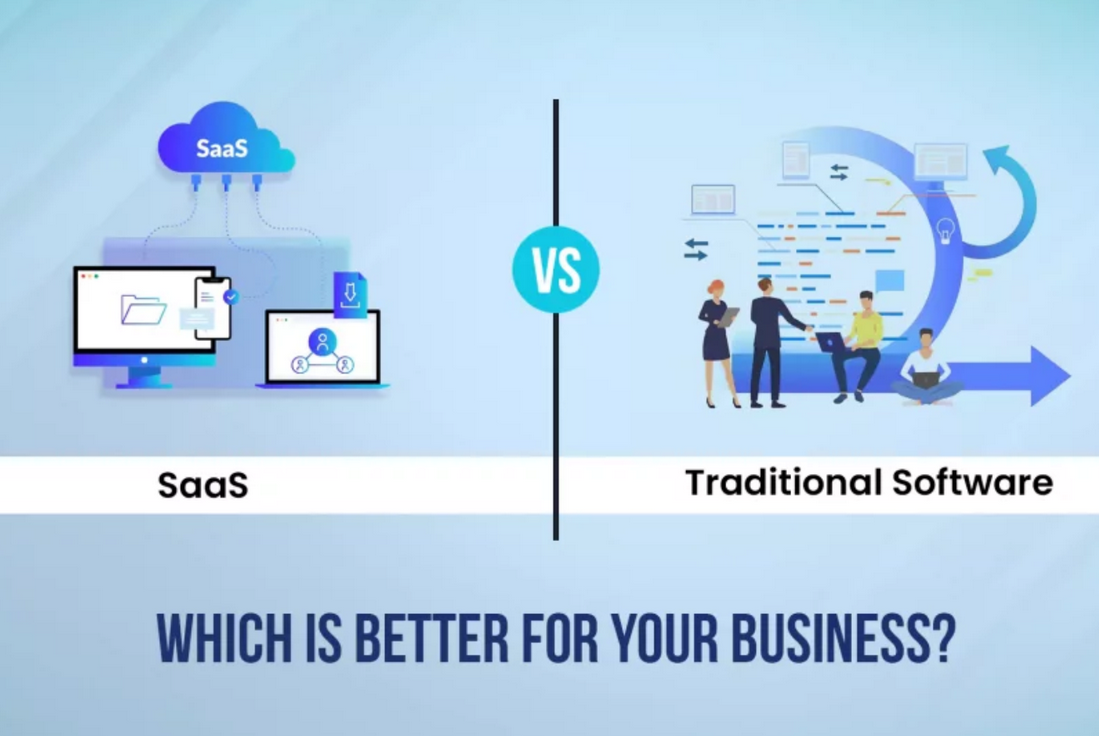
This article provides a comprehensive, SEO-optimized guide exploring the fundamental differences between Enterprise SaaS and Traditional Software, including architecture, cost structure, deployment, scalability, security, and more.
What Is Enterprise SaaS?
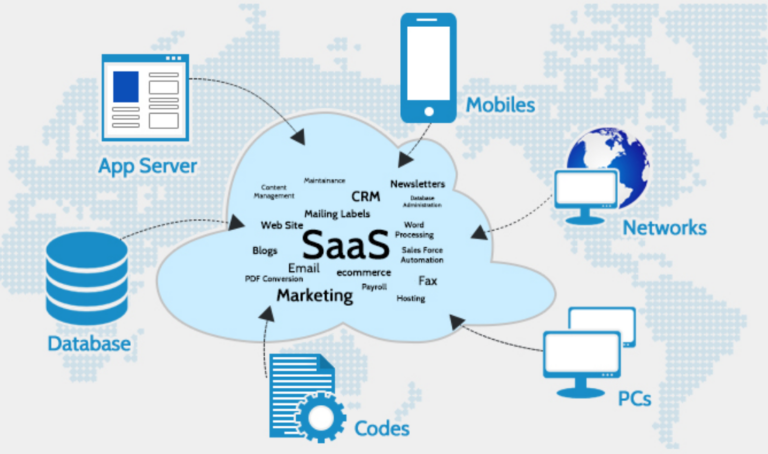
Enterprise SaaS refers to cloud-based software solutions delivered over the internet, typically via a subscription model. Instead of installing applications on local machines or servers, users access the software through a web browser.
Key Characteristics of Enterprise SaaS:
- Hosted in the cloud
- Subscription-based pricing (monthly or yearly)
- Automatic updates and maintenance
- Accessible from anywhere with internet access
- Multi-tenant architecture (shared infrastructure)
Examples of Enterprise SaaS:
- CRM platforms (e.g., Salesforce)
- Collaboration tools (e.g., Slack, Microsoft Teams)
- Accounting software (e.g., QuickBooks Online)
Enterprise SaaS is designed to serve large organizations with scalable needs, offering robust integrations, security features, and enterprise-grade performance.
What Is Traditional Software?
Traditional software, often referred to as on-premise software, is installed locally on a company’s servers or individual computers. Businesses must purchase licenses upfront and handle installation, maintenance, and updates internally.
Key Characteristics of Traditional Software:
- Installed on local infrastructure
- One-time licensing fee (plus maintenance costs)
- Manual updates and patches
- Limited remote accessibility
- Requires dedicated IT resources
Examples of Traditional Software:
- Legacy ERP systems
- Desktop-based accounting tools
- Locally installed database systems
While still widely used in certain industries, traditional software is gradually being replaced by cloud-based alternatives.
Core Differences Between Enterprise SaaS and Traditional Software
Let’s break down the key differences across critical dimensions:
1. Deployment and Accessibility
Enterprise SaaS:
SaaS applications are deployed in the cloud and accessed via web browsers. This means:
- No installation required
- Instant access from any device
- Ideal for remote and distributed teams
Traditional Software:
Traditional systems require installation on physical hardware:
- Limited to specific devices or networks
- Remote access often requires VPNs
- Longer deployment time
Key Takeaway:
SaaS offers superior accessibility and faster deployment compared to traditional software.
2. Cost Structure
Enterprise SaaS:
- Subscription-based (OPEX model)
- Lower upfront costs
- Predictable monthly or annual expenses
- Includes maintenance and updates
Traditional Software:
- High upfront licensing fees (CAPEX model)
- Additional costs for hardware and infrastructure
- Ongoing maintenance and upgrade expenses
Key Takeaway:
SaaS reduces initial investment, while traditional software requires significant capital expenditure.
3. Scalability
Enterprise SaaS:
- Easily scalable based on demand
- Add or remove users instantly
- Cloud infrastructure adapts automatically
Traditional Software:
- Scaling requires new hardware and installations
- Time-consuming and expensive
- Limited flexibility
Key Takeaway:
SaaS provides unmatched scalability, making it ideal for growing businesses.
4. Maintenance and Updates
Enterprise SaaS:
- Automatic updates handled by the provider
- No downtime for installations
- Always running the latest version
Traditional Software:
- Manual updates required
- Potential downtime during upgrades
- Risk of outdated systems
Key Takeaway:
SaaS eliminates the burden of maintenance, while traditional software requires continuous IT involvement.
5. Security
Enterprise SaaS:
- Advanced security protocols (encryption, multi-factor authentication)
- Regular security updates
- Compliance with global standards
Traditional Software:
- Security depends on internal IT practices
- Higher risk if not properly maintained
- Slower response to vulnerabilities
Key Takeaway:
SaaS providers often offer stronger and more up-to-date security measures.
6. Customization and Control
Enterprise SaaS:
- Limited customization compared to on-premise solutions
- Configurable but not fully customizable
- Updates controlled by the provider
Traditional Software:
- High level of customization
- Full control over software environment
- Tailored to specific business needs
Key Takeaway:
Traditional software offers greater control, while SaaS prioritizes convenience and standardization.
7. Integration Capabilities
Enterprise SaaS:
- Built for integration via APIs
- Easily connects with other cloud tools
- Supports modern workflows
Traditional Software:
- Integration can be complex and costly
- May require custom development
- Limited compatibility with newer systems
Key Takeaway:
SaaS platforms are more integration-friendly and support modern ecosystems.
8. Performance and Reliability
Enterprise SaaS:
- Hosted on high-performance cloud infrastructure
- Guaranteed uptime (SLA agreements)
- Load balancing and redundancy
Traditional Software:
- Performance depends on local hardware
- Risk of downtime due to hardware failures
- Requires backup systems
Key Takeaway:
SaaS offers higher reliability and consistent performance.
9. Time to Market
Enterprise SaaS:
- Rapid implementation
- Immediate usability
- Minimal setup required
Traditional Software:
- Long deployment cycles
- Requires installation and configuration
- Delayed productivity
Key Takeaway:
SaaS significantly reduces time to market.
10. Mobility and Remote Work
Enterprise SaaS:
- Accessible from anywhere
- Supports mobile devices
- Ideal for hybrid work environments
Traditional Software:
- Limited remote access
- Requires additional tools (VPN)
- Not optimized for mobile use
Key Takeaway:
SaaS is the preferred choice for remote and mobile workforces.
Advantages of Enterprise SaaS
- Lower upfront costs
- Easy scalability
- Automatic updates
- Global accessibility
- Strong security standards
- Faster deployment
Advantages of Traditional Software
- Full control over data and systems
- High customization capabilities
- Suitable for highly regulated industries
- No dependency on internet connectivity
Disadvantages of Enterprise SaaS
- Ongoing subscription costs
- Limited customization
- Dependency on internet access
- Vendor lock-in risks
Disadvantages of Traditional Software
- High initial investment
- Maintenance burden
- Limited scalability
- Slower innovation
Use Cases: When to Choose SaaS vs Traditional Software
Choose Enterprise SaaS if:
- You need rapid deployment
- Your team is remote or distributed
- You want lower upfront costs
- Scalability is a priority
Choose Traditional Software if:
- You require full control over infrastructure
- Your industry has strict compliance requirements
- Customization is critical
- Internet access is unreliable
Future Trends in Software Deployment
As we move further into 2026, several trends are shaping the future of software:
1. Cloud-First Strategy
Organizations are prioritizing cloud solutions over on-premise systems.
2. Hybrid Models
Some businesses combine SaaS and traditional systems for flexibility.
3. AI Integration
Modern SaaS platforms increasingly include AI-powered features.
4. Increased Security Focus
Cybersecurity continues to be a top priority for both models.
5. Low-Code/No-Code Platforms
SaaS tools are enabling non-developers to build applications easily.
Conclusion
The debate between Enterprise SaaS and Traditional Software ultimately comes down to your business needs, resources, and long-term goals.
Enterprise SaaS offers unmatched flexibility, scalability, and ease of use, making it the preferred choice for modern, fast-growing organizations. On the other hand, traditional software still holds value for businesses requiring deep customization, control, and compliance.
In today’s digital landscape, many companies are adopting a hybrid approach—leveraging the best of both worlds to maximize efficiency and innovation.
By understanding the key differences outlined in this guide, you can make an informed decision that aligns with your organization’s strategy and future growth.
Final Thoughts
Choosing the right software model is not just a technical decision—it’s a strategic one. As technology continues to evolve, businesses that embrace flexible, scalable solutions like Enterprise SaaS will be better positioned to adapt, compete, and thrive in the digital era.