In today’s rapidly evolving digital landscape, businesses are under constant pressure to innovate, scale, and remain competitive. One of the most powerful tools enabling this transformation is Enterprise Software-as-a-Service (SaaS). From customer relationship management to project collaboration and data analytics, SaaS platforms have become the backbone of modern organizations.
However, choosing the right Enterprise SaaS solution is not a simple decision. With thousands of options available, each promising efficiency and scalability, companies often struggle to identify the best fit for their unique needs.
This comprehensive guide will walk you through everything you need to know about selecting the right Enterprise SaaS solution for your company—from understanding your business requirements to evaluating vendors and ensuring long-term success.
What Is an Enterprise SaaS Solution?
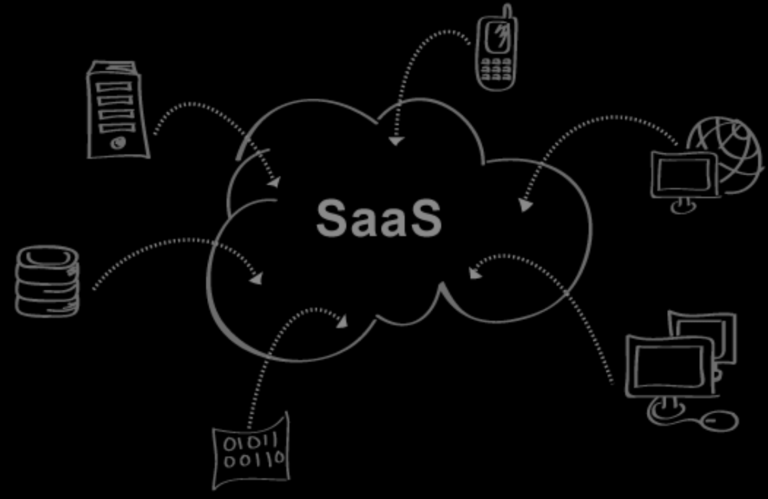
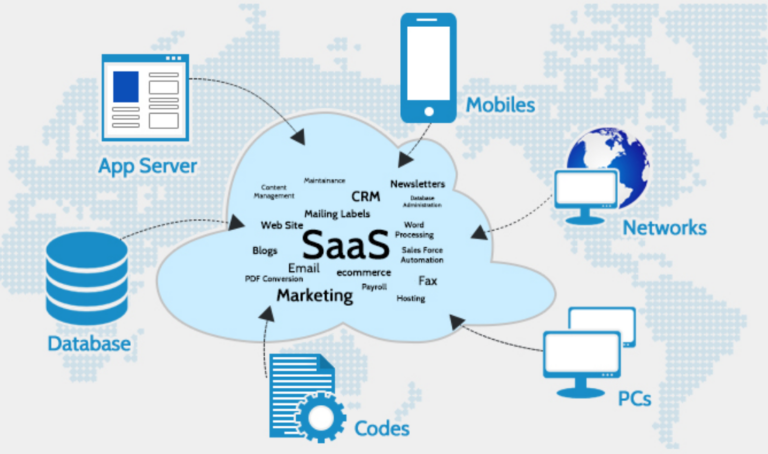
Enterprise SaaS refers to cloud-based software designed specifically for large organizations. Unlike traditional software that requires installation on local machines or servers, SaaS applications are hosted in the cloud and accessed via the internet.
These platforms typically offer:
- Scalability for large user bases
- Advanced security and compliance features
- Integration with other enterprise tools
- Continuous updates and maintenance
Common examples include CRM systems, ERP platforms, HR management tools, and marketing automation software.
Why Choosing the Right SaaS Solution Matters
Selecting the wrong SaaS platform can lead to:
- Wasted financial resources
- Poor user adoption
- Operational inefficiencies
- Data security risks
On the other hand, the right solution can:
- Streamline workflows
- Improve team collaboration
- Enhance decision-making through data insights
- Support long-term business growth
This makes the selection process a strategic decision rather than just a technical one.
Step 1: Define Your Business Needs Clearly
Before evaluating any SaaS product, you must first understand your company’s specific requirements.
Identify Key Pain Points
Ask yourself:
- What problems are we trying to solve?
- Which processes are inefficient or outdated?
- Where are we losing time or money?
For example, if your sales team struggles with lead tracking, a CRM-focused SaaS solution might be your priority.
Set Clear Objectives
Define measurable goals such as:
- Increase productivity by 30%
- Reduce operational costs
- Improve customer satisfaction
Having clear objectives ensures you choose a solution aligned with your business outcomes.
Step 2: Determine Your Budget and ROI Expectations
Enterprise SaaS solutions often come with subscription-based pricing models. While they eliminate upfront infrastructure costs, they can become expensive over time.
Consider Total Cost of Ownership (TCO)
Include:
- Subscription fees
- Implementation costs
- Training expenses
- Integration costs
- Ongoing support
Evaluate Return on Investment (ROI)
Ask:
- Will this solution increase revenue?
- Will it reduce manual labor?
- How quickly will we see results?
A slightly more expensive solution may deliver better long-term value if it significantly boosts efficiency.
Step 3: Assess Scalability and Flexibility
Your business will evolve, and your SaaS solution must grow with it.
Key Questions to Ask
- Can the platform handle increased users and data?
- Does it support global operations?
- Can features be customized as needs change?
Scalability ensures you won’t outgrow the system in a few years.
Step 4: Evaluate Features and Functionality
Not all SaaS platforms are created equal. Focus on features that directly impact your business goals.
Must-Have Features
- User-friendly interface
- Automation capabilities
- Real-time analytics
- Mobile accessibility
- Custom reporting
Avoid Feature Overload
Many platforms offer extensive features that you may never use. Paying for unnecessary functionality can increase costs and complexity.
Choose a solution that balances functionality with usability.
Step 5: Check Integration Capabilities
Your SaaS solution should seamlessly integrate with your existing tools.
Common Integrations
- CRM systems
- Accounting software
- Marketing platforms
- Communication tools
Why Integration Matters
Poor integration leads to:
- Data silos
- Manual data entry
- Reduced efficiency
Look for platforms with strong API support and pre-built integrations.
Step 6: Prioritize Security and Compliance
Security is critical when dealing with enterprise data.
Key Security Features
- Data encryption (in transit and at rest)
- Multi-factor authentication (MFA)
- Role-based access control
- Regular security audits
Compliance Requirements
Depending on your industry, ensure the platform complies with regulations such as:
- GDPR
- HIPAA
- SOC 2
Failure to meet compliance standards can result in legal issues and reputational damage.
Step 7: Evaluate Vendor Reputation and Support
The vendor behind the SaaS solution plays a crucial role in your success.
What to Look For
- Proven track record
- Positive customer reviews
- Case studies and testimonials
- Financial stability
Customer Support
Ensure the vendor offers:
- 24/7 support
- Multiple support channels (chat, email, phone)
- Dedicated account managers
Reliable support minimizes downtime and ensures smooth operations.
Step 8: Test the User Experience
User adoption is critical for SaaS success.
Conduct Free Trials or Demos
Most SaaS providers offer trial periods. Use this opportunity to:
- Test usability
- Evaluate performance
- Gather feedback from your team
Focus on Ease of Use
A complex system can lead to:
- Low adoption rates
- Increased training costs
- Reduced productivity
Choose a platform that your team can quickly learn and use effectively.
Step 9: Consider Data Migration and Implementation
Switching to a new SaaS solution often involves migrating existing data.
Key Considerations
- How easy is data migration?
- Will there be downtime?
- Is vendor support available during implementation?
A smooth transition minimizes disruptions to your business operations.
Step 10: Analyze Performance and Reliability
Downtime can severely impact business operations.
Look for:
- High uptime guarantees (99.9% or higher)
- Fast loading speeds
- Reliable infrastructure
Check service-level agreements (SLAs) to understand performance commitments.
Step 11: Understand Pricing Models
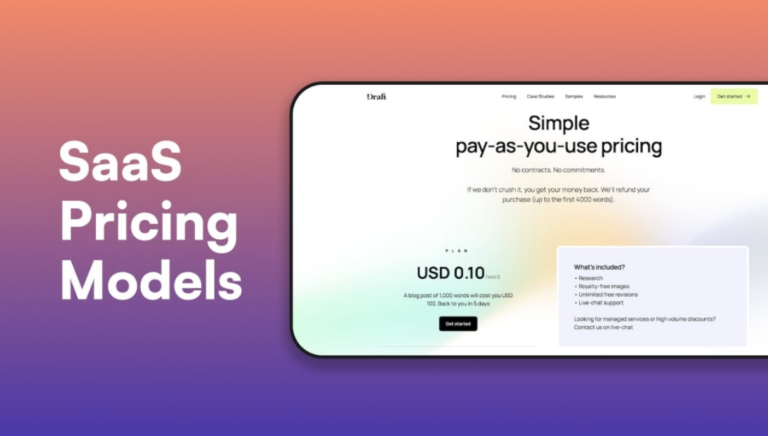
Enterprise SaaS platforms offer various pricing structures.
Common Models
- Per-user pricing
- Tiered pricing
- Usage-based pricing
- Custom enterprise pricing
Tips for Choosing
- Avoid hidden fees
- Ensure pricing aligns with your usage
- Negotiate enterprise contracts if possible
Transparent pricing helps you plan long-term expenses effectively.
Step 12: Plan for Training and Onboarding
Even the best SaaS solution will fail without proper training.
Training Strategies
- Conduct onboarding sessions
- Provide documentation and tutorials
- Assign internal champions
Well-trained employees are more likely to adopt the platform and maximize its benefits.
Step 13: Monitor and Optimize Performance
Choosing a SaaS solution is not a one-time task. Continuous monitoring ensures ongoing success.
Track Key Metrics
- User adoption rates
- Productivity improvements
- ROI performance
- System usage
Optimize Over Time
- Customize features based on feedback
- Integrate additional tools
- Upgrade plans as needed
Regular evaluation helps you get the most value from your investment.
Common Mistakes to Avoid
1. Choosing Based on Price Alone
The cheapest option is not always the best. Focus on value rather than cost.
2. Ignoring User Feedback
Your employees will use the system daily. Their input is crucial.
3. Overlooking Scalability
A solution that works today may not meet future needs.
4. Skipping Trials
Always test before committing to a long-term contract.
5. Neglecting Security
Data breaches can be costly and damaging to your reputation.
Future Trends in Enterprise SaaS
Understanding future trends can help you make a more forward-thinking decision.
AI and Automation
SaaS platforms increasingly integrate artificial intelligence to automate tasks and provide predictive insights.
Low-Code and No-Code Solutions
These tools allow non-technical users to customize applications without coding knowledge.
Vertical SaaS
Industry-specific SaaS solutions are becoming more popular, offering tailored features for sectors like healthcare, finance, and retail.
Enhanced Data Analytics
Advanced analytics tools provide deeper insights, helping businesses make data-driven decisions.
Final Thoughts
Choosing the right Enterprise SaaS solution is a critical decision that can shape your company’s future. It requires a careful balance of technical evaluation, business strategy, and user experience.
By following these steps—defining your needs, evaluating features, ensuring scalability, and prioritizing security—you can confidently select a platform that aligns with your goals.
Remember, the best SaaS solution is not necessarily the most popular or feature-rich, but the one that fits your organization’s unique requirements and empowers your team to succeed.