In today’s fast-paced digital economy, businesses are constantly searching for ways to scale efficiently, reduce operational costs, and stay competitive. One of the most transformative solutions driving this evolution is Enterprise SaaS. But what exactly is Enterprise SaaS, and why has it become a cornerstone of modern business strategy?
This comprehensive guide will walk you through everything you need to know about Enterprise Software as a Service (SaaS), including its definition, key features, benefits, challenges, real-world applications, and how to choose the right solution for your organization.
What Is Enterprise SaaS?
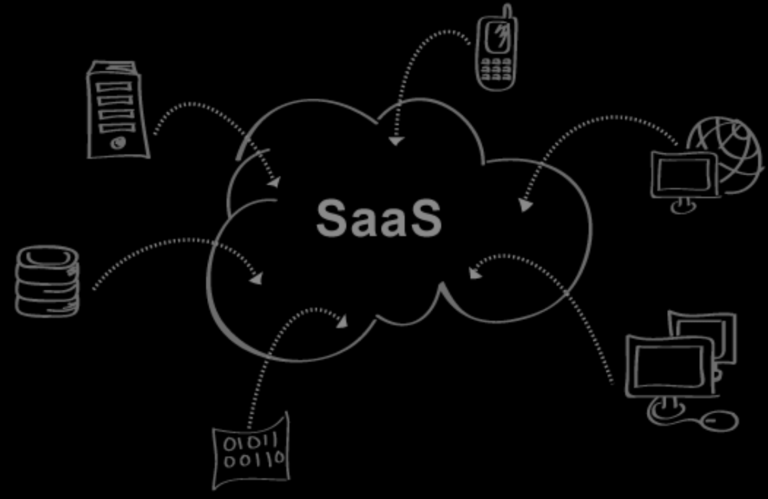
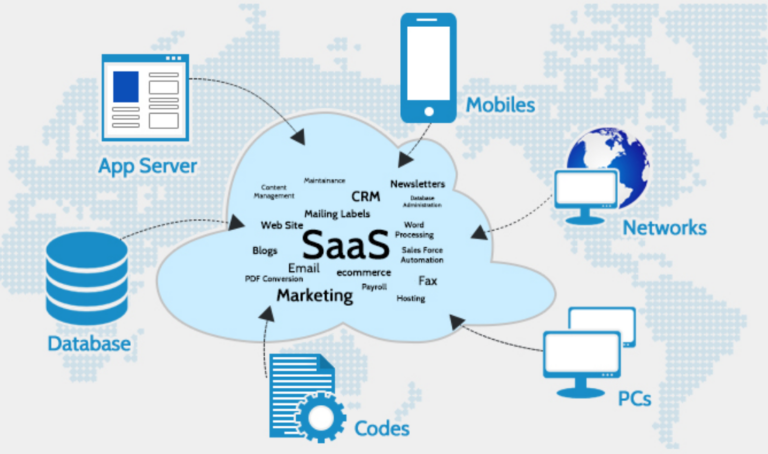
Enterprise SaaS (Software as a Service) refers to cloud-based software solutions designed specifically for large organizations and enterprises. Unlike traditional software that requires installation on individual machines or on-premise servers, SaaS applications are hosted in the cloud and accessed via the internet.
Enterprise SaaS platforms are built to handle complex business processes, large volumes of data, and multiple users across different departments or locations. These solutions often include advanced features such as integration capabilities, scalability, high-level security, and customization options.
Simple Definition:
Enterprise SaaS is cloud-based software designed to meet the needs of large-scale businesses, offering flexibility, scalability, and centralized management.
Key Characteristics of Enterprise SaaS
To truly understand Enterprise SaaS, it’s important to explore its defining features:
1. Cloud-Based Infrastructure
Enterprise SaaS operates entirely in the cloud. This eliminates the need for expensive hardware installations and ongoing maintenance.
2. Scalability
One of the biggest advantages is scalability. Businesses can easily increase or decrease usage based on demand without major infrastructure changes.
3. Multi-Tenancy Architecture
Most SaaS platforms use a multi-tenant model, meaning multiple customers share the same infrastructure while keeping their data isolated and secure.
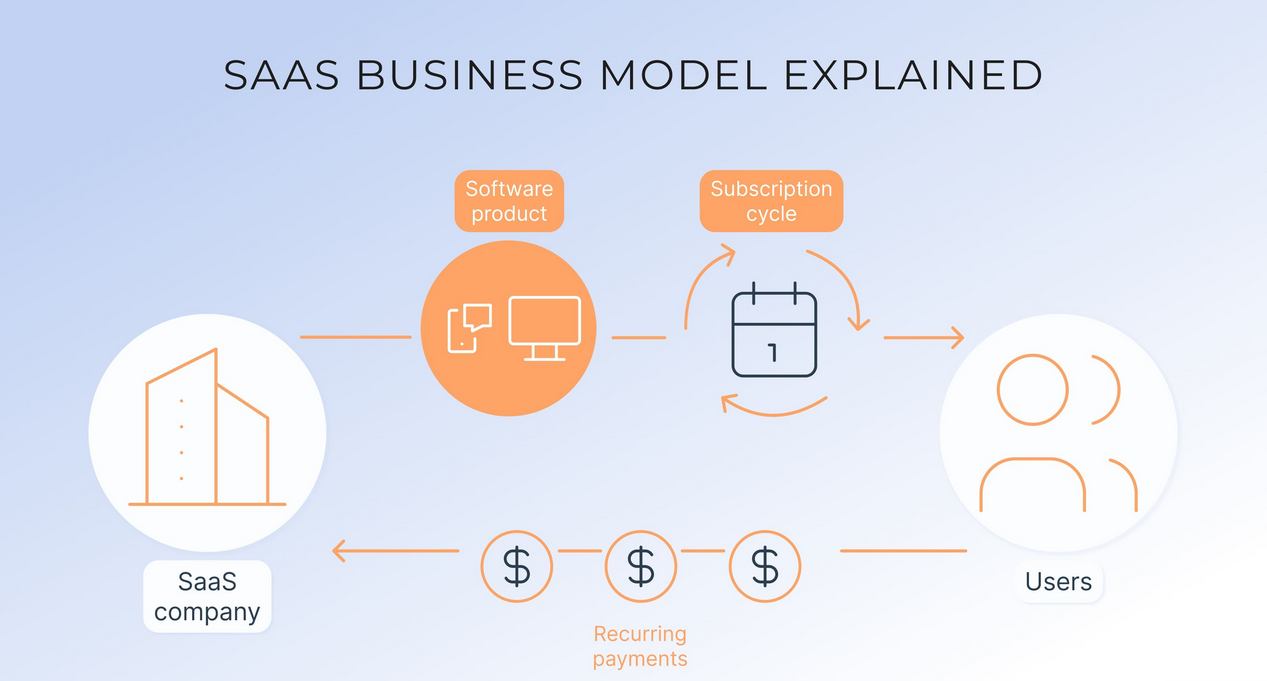
4. Subscription-Based Pricing
Instead of paying a large upfront fee, companies typically pay a monthly or annual subscription based on usage.
5. Automatic Updates
Software updates, security patches, and new features are handled by the provider, ensuring systems are always up-to-date.
6. Integration Capabilities
Enterprise SaaS solutions often integrate with other tools such as CRM systems, ERP platforms, and marketing automation software.
Enterprise SaaS vs Traditional Software
Understanding the difference between Enterprise SaaS and traditional software is essential for modern businesses.
| Feature | Enterprise SaaS | Traditional Software |
|---|---|---|
| Deployment | Cloud-based | On-premise |
| Cost Model | Subscription | One-time license |
| Maintenance | Managed by provider | Managed internally |
| Scalability | High | Limited |
| Accessibility | Anywhere (internet) | Limited to installed devices |
| Updates | Automatic | Manual |
This shift from traditional software to SaaS represents a major transformation in how businesses operate.
Benefits of Enterprise SaaS
1. Cost Efficiency
Enterprise SaaS eliminates the need for expensive hardware, IT infrastructure, and maintenance costs. Businesses only pay for what they use.
2. Flexibility and Remote Access
Employees can access systems from anywhere, making it ideal for remote work and global teams.
3. Faster Deployment
Unlike traditional software that can take months to implement, SaaS solutions can be deployed within days or even hours.
4. Enhanced Collaboration
Teams across different departments and locations can collaborate in real time using centralized platforms.
5. Improved Security
Reputable SaaS providers invest heavily in security measures such as data encryption, compliance standards, and regular audits.
6. Automatic Backups and Recovery
Data is regularly backed up, reducing the risk of data loss due to system failures.
Common Types of Enterprise SaaS Solutions
Enterprise SaaS covers a wide range of business functions. Here are some of the most common categories:
1. Customer Relationship Management (CRM)
CRM platforms help businesses manage customer interactions, sales pipelines, and marketing campaigns.
2. Enterprise Resource Planning (ERP)
ERP systems integrate core business processes such as finance, supply chain, and operations.
3. Human Resource Management (HRM)
HR SaaS solutions handle payroll, recruitment, employee management, and performance tracking.
4. Project Management Tools
These tools help teams plan, execute, and track projects efficiently.
5. Marketing Automation
Marketing SaaS platforms automate email campaigns, social media management, and lead generation.
6. Collaboration and Communication Tools
Platforms for messaging, video conferencing, and document sharing improve team communication.
How Enterprise SaaS Works
Enterprise SaaS operates on a centralized cloud infrastructure managed by the service provider. Here’s how it typically works:
- The provider hosts the application on secure servers.
- Users access the software through a web browser or mobile app.
- Data is stored in the cloud and managed centrally.
- Updates and maintenance are handled automatically.
- Businesses scale usage based on their needs.
This model allows companies to focus on their core operations instead of managing IT infrastructure.
Challenges of Enterprise SaaS
While Enterprise SaaS offers numerous benefits, it also comes with some challenges:
1. Data Security Concerns
Although providers offer strong security, storing sensitive data in the cloud can still raise concerns for some organizations.
2. Limited Customization
Some SaaS solutions may not offer the same level of customization as on-premise software.
3. Dependency on Internet Connectivity
Since SaaS is cloud-based, a stable internet connection is essential.
4. Vendor Lock-In
Switching providers can be difficult due to data migration complexities and integration dependencies.
5. Compliance Issues
Businesses in regulated industries must ensure the SaaS provider complies with relevant laws and standards.
Key Features to Look for in Enterprise SaaS
When choosing an Enterprise SaaS solution, consider the following features:
1. Scalability
Ensure the platform can grow with your business.
2. Security and Compliance
Look for features like encryption, multi-factor authentication, and compliance certifications.
3. Integration Capabilities
The ability to integrate with existing tools is crucial for efficiency.
4. User Experience
An intuitive interface improves adoption and productivity.
5. Customer Support
Reliable support ensures quick resolution of issues.
6. Customization Options
Choose a solution that can be tailored to your business needs.
Enterprise SaaS Implementation Strategy
Successfully implementing Enterprise SaaS requires careful planning:
Step 1: Define Business Needs
Identify your goals, challenges, and requirements.
Step 2: Evaluate Vendors
Compare different providers based on features, pricing, and reputation.
Step 3: Plan Data Migration
Ensure a smooth transition of existing data to the new system.
Step 4: Train Employees
Provide training to ensure employees can use the system effectively.
Step 5: Monitor and Optimize
Continuously evaluate performance and make improvements.
Future Trends in Enterprise SaaS
The future of Enterprise SaaS is shaped by emerging technologies and evolving business needs:
1. Artificial Intelligence Integration
AI-powered SaaS tools provide predictive analytics, automation, and smarter decision-making.
2. Increased Personalization
More customizable solutions tailored to specific industries.
3. Enhanced Security Measures
Advanced cybersecurity features to protect sensitive data.
4. Low-Code and No-Code Platforms
Businesses can build applications without extensive coding knowledge.
5. Vertical SaaS Solutions
Industry-specific SaaS platforms designed for sectors like healthcare, finance, and manufacturing.
Why Enterprise SaaS Is Essential for Modern Businesses
Enterprise SaaS is no longer just an option—it’s a necessity for businesses that want to remain competitive. Here’s why:
- Enables digital transformation
- Supports remote and hybrid work models
- Improves operational efficiency
- Reduces IT complexity
- Enhances data-driven decision-making
Companies that adopt Enterprise SaaS gain a significant advantage in today’s digital landscape.
Real-World Use Cases
1. Global Collaboration
A multinational company uses SaaS tools to manage teams across different continents.
2. Data Analytics
Businesses leverage SaaS platforms to analyze large datasets and gain insights.
3. Customer Engagement
Marketing teams use SaaS solutions to automate campaigns and improve customer experiences.
4. Financial Management
Finance departments rely on SaaS ERP systems for real-time financial tracking.
How to Choose the Right Enterprise SaaS Provider
Choosing the right provider is critical for success. Here are some tips:
- Evaluate your business needs
- Check scalability options
- Review security standards
- Compare pricing models
- Test the platform with a free trial
- Read customer reviews and case studies
Conclusion
Enterprise SaaS has revolutionized the way modern businesses operate. By offering scalable, cost-effective, and flexible solutions, it empowers organizations to focus on growth and innovation rather than IT infrastructure.
From improving collaboration to enabling advanced data analytics, Enterprise SaaS plays a crucial role in driving digital transformation. While there are challenges to consider, the benefits far outweigh the drawbacks for most enterprises.
As technology continues to evolve, Enterprise SaaS will remain a key driver of business success in the digital age. Organizations that embrace this model will be better positioned to adapt, compete, and thrive in an increasingly connected world.
Final Thoughts
If your business is still relying on traditional software systems, now is the time to explore Enterprise SaaS solutions. The transition may seem complex, but with the right strategy and provider, it can unlock new levels of efficiency, scalability, and innovation.